Best Crypto Wallets for 2026


Like every financial asset, cryptocurrency also needs a safe place to be stored and accessed occasionally. Today, billions of dollars worth of cryptocurrencies, such as Bitcoin and Ethereum, are stored in digital cryptocurrency wallets. These wallets are being used to store Bitcoin or various other cryptocurrencies. But there is a lot more to these wallets than just storing cryptocurrencies.
The following are the best crypto wallets, which can help you manage your digital wealth efficiently.
Best Crypto Wallets Of 2026
| Wallet | Best For |
| Exodus | Beginners |
| Tangem Wallet | Beginners and Advanced users |
| Trezor | BTC HODLers, Crypto Traders |
| ZenGo | Everyone: From the crypto-curious to advanced users alike. |
| Ledger NanoX | Hardware Crypto Wallets Users |
| Coinbase | Crypto Traders |
| Trust Wallet | Beginners and dApp Users |
Top Crypto Wallets for 2026
Here are the top cryptocurrency wallets that have gained popularity for their security and utility in recent years.
1. Exodus
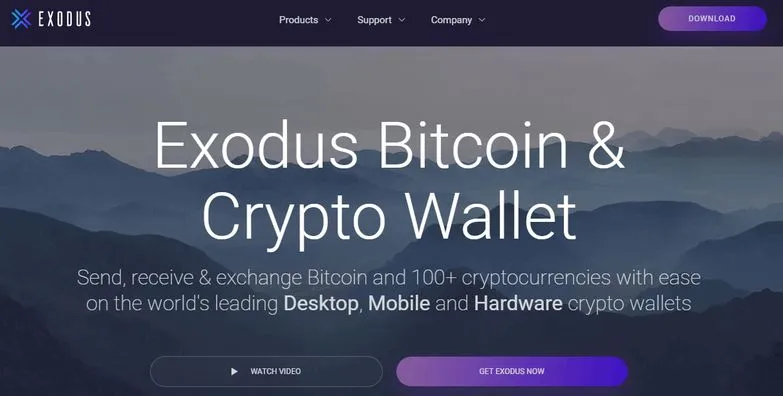
Exodus is one of the most popular multi-currency wallets in the world and is also popular as one of the best BTC wallets for beginners and new investors. Exodus leads this list as a cross-platform cryptocurrency wallet. The Exodus wallet is used by people new to cryptocurrency. It follows a non-custodial model, so only you can access it with a private key. However, if you lose the key, the recovery process is almost impossible.
| Best for: | Beginners and intermediate users |
| Type of wallet: | Hot Crypto Wallet |
| Purchase cost: | Free to download and use |
| Compatible Hardware Wallet: | Trezor ModelT, Trezor ModelOne |
| Incorporated Exchange: | Multiple third-party providers. |
| Minimum Account Balance: | N/A |
| Fees: | No storage fee, but standard network and gas fees apply for transactions. |
| Cloud Storage: | No |
| Cold Storage: | Yes, via Trezor integration. |
Exodus Pros & Cons
- Exodus wallet supports more than 200 cryptocurrencies, with more being added to the list each passing year.
- Beginner-friendly interface, which is fairly easy to navigate.
- Available on desktop, mobile, and browser.
- Built-in exchange, staking, and crypto management features.
- The wallet is not entirely open-source and has several proprietary software services.
- It does not include necessary security features like multi-signature support or 2 factor authentication.
- Security depends heavily on device safety
2. Tangem
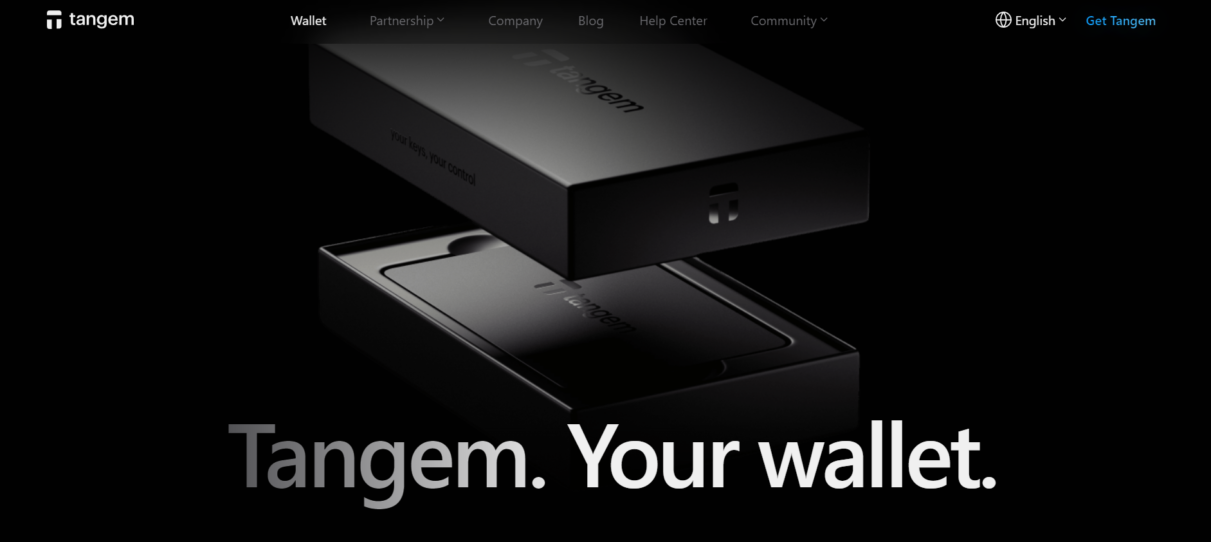
The Tangem Wallet is special because it looks like a card, unlike other hardware wallets with different designs. The wallet connects wirelessly using NFC technology. It can hold many different cryptocurrencies safely. The Tangem Wallet keeps your private keys secret, keeping your money extra secure. Tangem made their wallet straightforward so even people who know little about technology can use cryptocurrency easily. This simple card design makes the Tangem Wallet attractive for those new to crypto who want a user-friendly experience.
| Best for: | Beginners |
| Type of wallet: | Cold Wallet |
| Purchase cost: | $54.90 |
| Compatible Hardware Wallet: | None |
| Incorporated Exchange: | Yes, via multiple third-party providers. |
| Minimum Account Balance: | None, but network-specific reserves could likely be in place. |
| Fees: | Network fee+provider fee for swaps. |
| Cloud Storage: | No |
| Cold Storage: | Yes |
Tangem Pros & Cons
- Simple to understand and use
- Beginner-friendly interface, which is fairly easy to navigate.
- Sturdy against water, dust, extreme heat/cold, and drops
- Affordable price & 25-year replacement promise
- Built-in dApp and DeFi options are limited
- NFT support exists but is limited.
3. Trezor
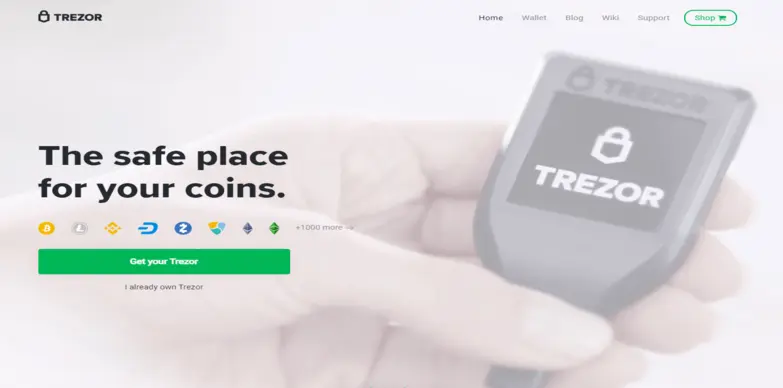
Developed by SatoshiLabs, Trezor is one of the most popular and reputable hardware wallet brands. It looks like a USB flash drive. The brand was first introduced in the market in 2014 and has established itself as a strong player in the crypto space. Despite being a bit on the expensive side, the Trezor Safe 7 is an advanced device suitable for Bitcoin owners and active crypto traders, with support for many digital assets. It has a colored touchscreen display for clear visibility and comes with various security features.
| Best for: | Advanced users, long-term holders, and security-focused investors |
| Type of wallet: | Cold Wallet |
| Purchase cost: | ~$200–$300 depending on region and bundle |
| Compatible Hardware Wallets: | None |
| Incorporated Exchange: | Multiple third-party providers via the Trezor suite |
| Minimum Account Balance: | None |
| Fees: | Network & provider fees |
| Cloud Storage: | No |
| Cold Storage: | Yes |
Trezor Pros & Cons
- Trezor is an open-source wallet that has several offline features.
- The wallet can be set up easily on multiple devices and can be used to add funds from anywhere, provided you have the hardware available.
- Trezor physical wallet supports a large number of crypto tokens.
- Expensive compared to many hardware wallets
- Battery may degrade over time
- Limited support for some cryptocurrencies
4. ZenGo
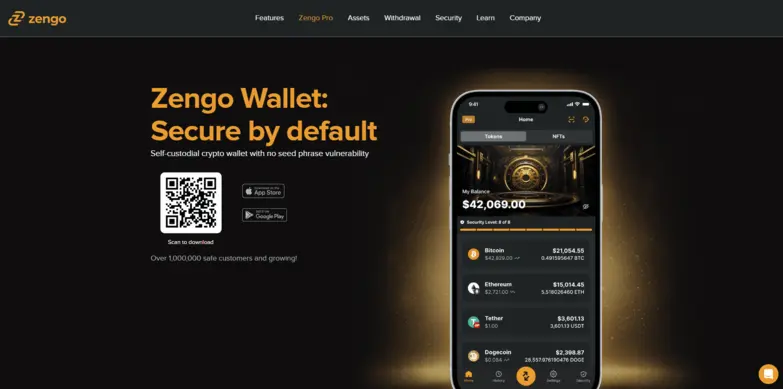
ZenGo is an all-in-one cryptocurrency wallet that allows users to buy, sell, and manage crypto assets while accessing Web3 features such as NFTs, DeFi, and dApps through WalletConnect. It supports major cryptocurrencies like Bitcoin and Ethereum, along with many other digital assets.
The wallet is designed for ease of use, with a quick setup process on mobile devices. Unlike traditional wallets, ZenGo does not use a seed phrase. Instead, it uses Multi-Party Computation (MPC) technology, along with biometric authentication and a 3-factor authentication (3FA) recovery system to enhance security.
| Best for: | Beginner to advanced users |
| Type of wallet: | Hot Crypto Wallet |
| Purchase cost: | Free |
| Compatible Hardware Wallet: | None |
| Incorporated Exchange: | Multiple third-party exchanges in place. |
| Minimum Account Balance: | $0 |
| Fees: | No storage fees, but network fees apply. Additional provider fees apply for trades. |
| Cloud Storage: | Yes |
| Cold Storage: | No |
ZenGo Pros & Cons
- Simple, user-friendly interface with customization options
- Multichain wallet supporting many cryptocurrencies
- Multichain wallet supporting many cryptocurrencies
- Uses MPC technology (no seed phrase required), improving usability and security
- Buy/sell, and fiat features depend on region and third-party availability
- Fees vary by provider and are not always low or fixed
5. Ledger Nano X
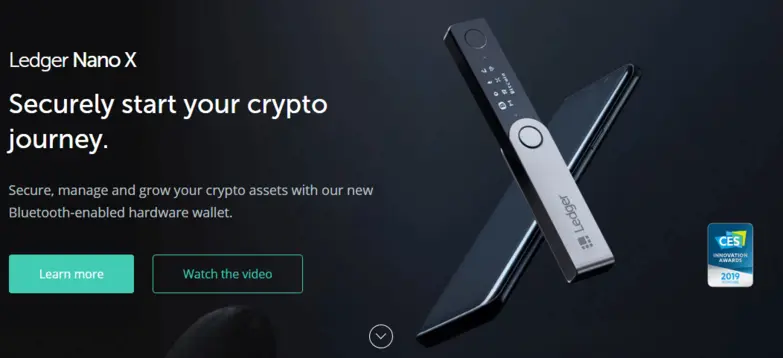
The Ledger NanoX wallet is a premium crypto storage service and one of the best crypto wallets in the market today. It gives you full control of your public and private keys. It is a hardware-only wallet designed to secure digital wealth and personal data at the highest level. However, the wallet works in tandem with the Ledger Live software. Being a cold wallet, Ledger NanoX is not vulnerable to online attacks. The Ledger Nano X adds new features, including Bluetooth connectivity, for improved usability.
| Best for: | Hardware Crypto Wallets Users |
| Type of wallet: | Cold Wallet |
| Purchase cost: | ~$49–$79 |
| Compatible Hardware Wallet: | None |
| Incorporated Exchange: | ShapeShift |
| Minimum Account Balance: | None, but network-specific rules may apply |
| Fees: | No fixed wallet fee, but network fees apply |
| Cloud Storage: | No |
| Cold Storage: | Yes |
Ledger Nano X Pros & Cons
- Easy-to-use wallet with a beginner-friendly interface.
- Offline private key storage.
- Supports NFTs, dApps, and DeFi projects via third-party applications.
- Bluetooth connectivity helps proper mobile operations.
- More expensive than some of the other hardware wallets in the market.
- Requires additional apps to get full functionality.
6. Coinbase

Coinbase is one of the largest crypto exchanges in the crypto world. This wallet lets you store your private keys for selling and purchasing crypto.
As a result, it is one of the most preferred digital wallets in the crypto market. Like most products, you don’t need to have a minimum balance, nor do you need to pay any fees to store your crypto. However, when trading, you need to pay the standard network fees.
| Best for: | Web3 users, self-custody, DeFi users |
| Type of wallet: | Hot Wallet |
| Purchase cost: | Free |
| Compatible Hardware Wallet: | Ledger support, but via extensions |
| Incorporated Exchange: | Connects to third-party DEXs via dApps |
| Minimum Account Balance: | None |
| Fees: | Network fees + third-party provider fees |
| Cloud Storage: | Optional but available |
| Cold Storage: | No |
Coinbase Pros & Cons
- Self-custody wallet with a user-friendly interface, suitable for beginners
- Supports Web3, DeFi, NFTs, and dApps
- Built-in Web3 browser for decentralized applications
- Offers biometric and passcode-based security
- Limited trading features.
- Complex transaction fees
- Limited Blockchain transparency.
7. Trust Wallet

Trust Wallet is a beginner-friendly cryptocurrency wallet that makes managing digital assets simple and intuitive. It allows users to store, send, and receive cryptocurrencies and connect to decentralized applications (dApps).
Trust Wallet is a non-custodial wallet, meaning users have full control over their private keys, which are secured using a recovery phrase. Additional security features, such as passcode and biometric authentication, are also available.
| Best for: | Beginners and dApp Users |
| Type of wallet: | Hot Wallet |
| Purchase cost: | Free |
| Compatible Hardware Wallet: | None |
| Incorporated Exchange: | DEX access via dApps |
| Minimum Account Balance: | None |
| Fees: | Network fees only |
| Cloud Storage: | No |
| Cold Storage: | No |
Trust Wallet Pros & Cons
- User-friendly interface, suitable for beginners
- Supports a very wide range of cryptocurrencies and blockchains
- Includes dApp browser and Web3 functionality
- Security depends heavily on user practices
- Limited customer support compared to centralized platforms
- No full desktop experience
What is a Crypto Wallet?
A cryptocurrency wallet is a digital version of a regular wallet used for storing digital currencies. At first, e-wallets were used to store traditional money and make purchases and transfers on the internet and in the physical world. These e-wallets became capable of holding cryptocurrencies following the crypto revolution, providing secure storage options for traders and investors.
Cryptocurrency wallets store digital currencies and facilitate operations such as adding, withdrawing, paying for goods and services, and exchanging cryptocurrencies. Some wallets offer trading features too, making them very versatile. These wallets are now a core component of the cryptocurrency environment.
Types of Crypto Wallets
There are multiple types of wallets based on their storage specifications and crypto compatibility. However, each of these wallets is designed to run on blockchain network technology and enable faster and secure crypto transactions.
Hot Storage Crypto Wallets
Hot wallets are digital wallets that are used to store cryptocurrencies online. Accessibility is another important factor that has contributed to the popularity of a hot crypto wallet. There are three subcategories of hot crypto wallets:
Desktop Wallets
Desktop wallets are hot wallets that store cryptocurrency assets on the user’s desktop computer. These wallets, designed for trading cryptocurrency, require your computer to be online. Exodus is an excellent example of a desktop wallet for Bitcoin. Two codes are required for further processing: a public key and a private key.
Mobile Wallets
Like the desktop platforms, mobile applications can also store Bitcoin and other cryptocurrencies via e-wallet applications and track your cryptocurrency portfolio. Top crypto wallets have mobile applications, and users can make payments using different methods to acquire Bitcoin. These hot crypto wallets make engaging in crypto transactions easier and more convenient. Crypto users can purchase or sell their digital money through their mobile devices using mobile wallet applications and conduct business with other individuals.
Web Wallets
These hot digital wallets run in the form of web apps on browser programs. They help in storing cryptocurrency on the internet in a secure web domain. Web wallets can be used on desktop as well as mobile devices. They can also be installed as plugins for web browsers.
Cold Storage Crypto Wallets
Cold crypto wallets only store cryptocurrencies in offline storage. These storages are not connected to the internet, making the wallet a safer place for storing digital money. Unlike hot storage crypto wallets, these wallets have a low vulnerability to online threats and cyber thefts.
Hosted Wallets
Non-custodial wallets are called hosted wallets or self-hosted wallets. In a hosted crypto wallet, the user retains sole custody of the private key while a third party keeps the crypto for you.
Decentralized Wallets
Decentralized crypto wallets are the latest category of crypto wallets introduced in the market. These wallets allow users to store their private keys and manage the spending of their digital currency. Such wallets are decentralized, and therefore, users are able to trade cryptocurrency from any location.
What To Look For in Crypto Wallets?
Before selecting the right wallet for managing your digital wealth, it is essential to consider two critical factors. Security and wallet utility are the deciding factors for choosing the best Bitcoin wallets for your business or use case. But what sort of security features or wallet utilities should we look for?
Let’s understand these two key features in-depth and find out how they help us finalize the best cryptocurrency wallets for 2026.
- Security
Security is a top priority for crypto wallets, with constant upgrades to fight online and offline threats. Wallets with offline storage, known as cold storage, offer superior security compared to hot storage wallets. Additionally, the best Bitcoin wallets leverage robust blockchain technology for secure storage and transfers. This enhanced security of cold wallets (like paper wallets) makes them crucial when choosing the safest option for your Bitcoin.
- Reputation
When selecting a cryptocurrency wallet, it is essential to consider its reputation. A wallet with a good reputation has been trusted by the community, making it reliable and secure. When choosing wallets, focus on the models with good user feedback, recommendations from professionals, and stable functionality. - Fee customization
Fee customization allows users to set the transaction fees they want to pay, which is quite helpful, especially when the network is busy. High fees mean the transactions take less time to process, while low fees take longer. This becomes useful for active account holders, who can manage the costs according to their requirements. - Supported Cryptocurrencies
An ideal cryptocurrency wallet should be able to hold various cryptocurrencies, enabling the user to manage their assets from one wallet. This is especially true for investors who have diversified their investments in various assets.
Additional Features
Enhanced security, including two-factor authentication, multisig, and hardware compatibility, can add value and improve the usability of a crypto wallet. Other useful features include exchange services, staking options, and the ability to track portfolios.
Conclusion
To sum up, deciding the best crypto wallet for you is a critical task. After understanding the answer to “what is a crypto wallet,” we discovered different wallets and compared the functions and features of hot storage and cold storage wallets. Further, we explored the importance of security and utility. This enabled our selection of getting the best of both – high-end security and multiple utilities.
Frequently Asked Questions
Which BTC Wallet is Best?
Which BTC Wallet is Best?
For storage-only purposes, cold wallets like Trezor or physical wallets like Ledger NanoX can be useful. Coinbase wallet, Exodus wallet are good hot wallets.
Which Is the Safest Crypto Wallet
Which Is the Safest Crypto Wallet
Out of the various options, Trezor Safe 7 is considered one of the top crypto hardware wallets, and also the safest cryptocurrency wallets globally.
What Is the Purpose of a Crypto Wallet?
What Is the Purpose of a Crypto Wallet?
The purpose of the crypto wallets is to store the private keys to your cryptocurrencies securely, allowing you to send, receive, and manage them. It’s like a digital bank account for your crypto.
Should I Use a Crypto Wallet?
Should I Use a Crypto Wallet?
Yes, it’s always recommended to use a secure crypto wallet if you intend to hold the cryptocurrency, it is the same as using a physical wallet for storing hard money.
How Can I Get a Crypto Wallet?
How Can I Get a Crypto Wallet?
First, you need to find a reliable service provider, download the app or software provided by the service provider, and follow the steps to set it up. There are three main types of wallets: hardware, software, and mobile wallets, and the user has the freedom to choose the most suitable one depending on their security level and ease of use.
How to Transfer Crypto to a Bank Account?
How to Transfer Crypto to a Bank Account?
To transfer crypto to a bank account, you need to exchange your cryptocurrency for fiat currency on a trustworthy exchange. Next, transfer the funds to your linked bank account through the exchange withdrawal process.
See less