



Key Highlights
- The FDIC is creating new guidance to confirm that bank deposits placed on a blockchain, known as “tokenized deposits”
- Acting Chair Travis Hill has clearly stated that tokenized deposits are issued and controlled directly by FDIC-insured banks, which provides consumer protections
- The upcoming guidance will provide clear guidance for banks to focus on risk management in sensitive areas such as blockchain interoperability, cybersecurity, and compliance with AML rules
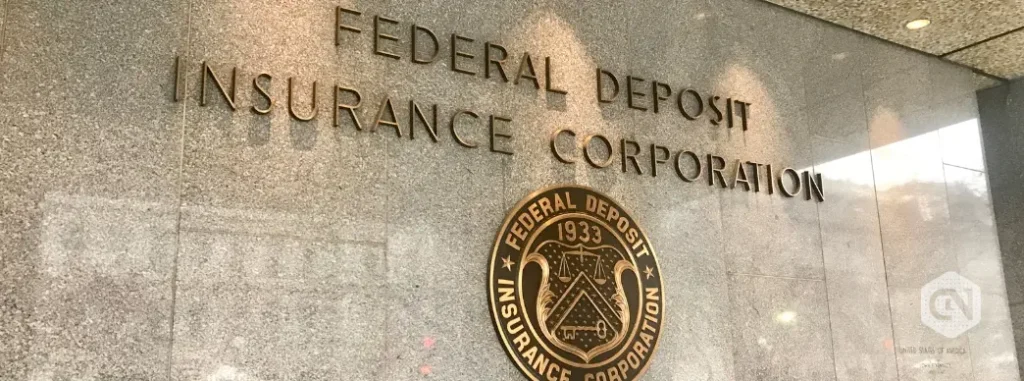
An acting chairman of the Federal Deposit Insurance Corporation (FDIC), Travis Hill, has announced that the agency is developing new guidance for “tokenized deposit insurance.” During a conference hosted by the Federal Reserve Bank of Philadelphia, he made this announcement.
During this conference, Chair Travis Hill said, “My view for a long time has been that a deposit is a deposit. Moving a deposit from a traditional-finance world to a blockchain or distributed-ledger world shouldn’t change the legal nature of it.” This means that these tokenized deposits will remain insured up to the standard $250,000 per depositor.
FDIC to Provide Insurance to Tokenized Bank Deposits
Tokenized deposits are digital tokens on a blockchain that represent a claim on a bank deposit. Amid the boom in the concept of tokenization, this statement from Acting Chair Hill provides a clear attention to this blockchain-based concept.
In his statement, Hill clearly explained its difference between stablecoins and tokenized deposits. He explained that unlike stablecoins, which are often issued by companies outside the banking system, tokenized deposits are issued and controlled by FDIC-insured banks.
According to him, a deposit is a deposit, though putting it on blockchain technology can make transactions faster and more efficient without removing the important consumer protection of FDIC insurance.
This regulatory clarity is very important because stablecoins have faced problems in the past, such as the collapse of TerraUSD in 2022, where users could not redeem their tokens for the promised value.
The upcoming FDIC guidance will provide a pathway for banks that want to use blockchain technology. It will cover important areas like managing risks when connecting different blockchains, cybersecurity, and following anti-money laundering rules.
This regulatory development from the FDIC will boost innovation while protecting the massive $20 trillion U.S. deposit base. Some critics have raised concerns that using blockchain could complicate insurance claims if a bank fails. However, Hill affirmed that strong audits and existing insurance rules will manage these risks.
Regulatory Agencies Work on Regulatory Framework
A day ago, the new Securities and Exchange Commission (SEC) chairman, Paul Atkins, revealed his proposal for a “token taxonomy” framework.
These new regulatory developments come after a clear departure from the previous leadership under Gary Gensler, which relied heavily on lawsuits to regulate the industry. Chair Atkins introduced a new system that comes grounded in the long-established Howey Test to clearly distinguish which digital tokens are securities and which are commodities.
“I believe that most crypto tokens trading today are not themselves securities. Of course, it is possible that a particular token might have been sold as part of an investment contract in a securities offering. That is not a radical statement; it is a straightforward application of the securities laws,” Paul Atkins stated in an official statement.
“The statutes defining securities list familiar instruments like stocks, notes, bonds, and then add a more open-ended category: the “investment contract.” That latter term describes a relationship between parties; it is not an unremovable label attached to an object. It also, unfortunately, was not defined by statute,” he said.
Some industry experts estimate that this could free up to 70% of crypto assets from being treated as securities.
White House and Congress Support Crypto Legislation
New regulatory developments are getting strong support from the White House and have found surprising bipartisan support from Congress.
Under President Donald Trump’s pro-crypto administration, the U.S. is ramping up its efforts for a crypto regulatory framework.
For example, in July, Trump signed the GENIUS Act into law, creating the first federal rules for stablecoins. This new law requires stablecoin issuers to keep this digital currency in reserve for every one dollar of stablecoin issued by the company.
