




Key Highlights
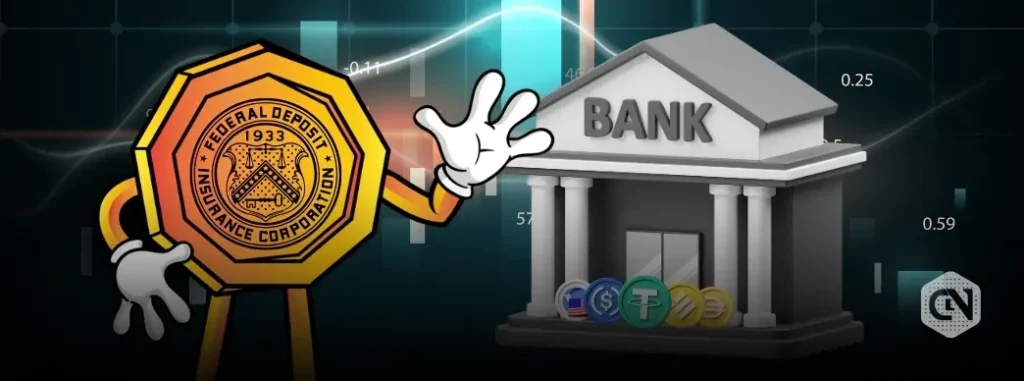
- The FDIC has proposed a first rule outlining how FDIC-supervised banks can apply to issue payment stablecoins through subsidiaries
- This rulemaking is the first proposal resulting from the GENIUS Act, which was signed in July 2025
- This proposal creates a clear guideline for banks, requiring them to submit detailed plans on business strategy
On December 16, the U.S. Federal Deposit Insurance Corp. proposed its first rulemaking to establish a clear roadmap for the banks it supervises to issue payment stablecoins.
This is the first regulatory action coming from the GENIUS Act, a newly established stablecoin law signed by President Trump in July.
FDIC Lays Guideline for Banks to Issue Stablecoins
The proposal will provide a dedicated application process for banks that want to launch stablecoins through special subsidiaries.
Acting FDIC Chairman Travis Hill stated that “Today, the FDIC Board is considering a proposed rule that would establish procedures for FDIC-supervised institutions that seek to issue payment stablecoins through a subsidiary pursuant to the GENIUS Act. Under the proposal, the FDIC would adopt a tailored application process that would enable the FDIC to evaluate the safety and soundness of an applicant’s proposed activities based on the statutory factors while minimizing the regulatory burden on applicants.”
The proposed rule is expected to provide much-needed guidelines for those banks planning to start a new stablecoin business. It provides specific deadlines for regulators to follow.
Once an application is filed, the FDIC has 30 days to complete it. The agency then has 120 days to make a final decision to approve or deny the request. If the regulator denies, they must provide a written explanation. The rule also includes an appeals process, which allows banks to request a hearing if their application is rejected.
There is also provision for those institutions that were exploring stablecoins before the GENIUS Act turned into law. These early movers can apply for waivers from certain requirements for up to 12 months, which allows them to align their existing projects with the new rules.
Crucially, the rule makes sure that only officially permitted entities can issue payment stablecoins in the U.S., and it will designate the FDIC as the primary regulator for these banking subsidiaries.
This announcement comes through on earlier promises from FDIC leadership, who had hinted this application process would be released by the end of the year. The next phase, expected in early 2026, will involve proposing the actual standards for these operations, such as rules on capital, liquidity, and the reserves that back the stablecoins.
The GENIUS Act created a shared regulatory responsibility. While the FDIC now handles stablecoin subsidiaries of banks, the Office of the Comptroller of the Currency (OCC) leads the licensing for non-bank issuers.
The Federal Reserve is also involved in coordinating related rules.
“This proposed rule is the FDIC’s first action to implement the GENIUS Act. In the months ahead, we expect to issue a proposed rule to establish the statutorily mandated capital, liquidity, and risk management requirements for subsidiaries of FDIC-supervised institutions that are approved to be PPSIs, among other GENIUS Act-related workstreams. We will also continue to explore ways to provide regulatory clarity regarding activities related to digital assets and tokenized deposits more broadly,” Hill said.
Crypto Market Structure Faces Delays
However, while progress is being made on stablecoins, the intense effort to create a complete regulatory framework for the cryptocurrency market has hit a roadblock.
On the same day, the Senate Banking Committee would not advance the major Digital Asset Market CLARITY Act before the year ends, delaying proceedings until 2026.
The comprehensive bill, which passed the House in July, is expected to resolve long-standing disputes over which assets are securities and clarify roles for the SEC and CFTC.
Also Read: U.S. Senate Delays Crypto Market Structure Bill Until 2026

 GoogleNews