Key Highlights:
- NFT marketplace lets artists sell directly to its fans and cuts out the middleman.
- Stars like Snoop Dogg, Eminem and many more helped grow awareness about the NFT space.
- AI-generated art, metaverse integration and functional tokens will be the future of NFTs.
Non-fungible tokens, or NFTs, are digital assets that are unique and are recorded on the blockchain. What sets NFTs apart from cryptocurrencies such as Bitcoin and Ethereum is that they (NFTs) cannot be interchanged with one another and they are one of a kind. They are used to prove ownership and authenticity of digital items like artwork, music, videos, collectible and even virtual real estate.
This technology came into existence almost a decade back. The idea was first explored back in 2012 with the “Coloured Coins” concept, which represented unique assets on a blockchain.
Then in 2014, artist Kevin McCoy minted Quantum, which is known to be the first NFT that there is. At the same time, early blockchain-based collectibles like Spells of Genesis and the Rare Pepe movements also began experimenting with tradeable digital cards. This is what pushed NFTs into niche crypto communities.
The entire NFT sector gained popularity in 2017, when Ethereum projects such as CryptoPunks and CryptoKitties, which showcased scalable, on-chain ownership of unique digital assets.
Then there came Decentraland, which is a NFT-powered virtual world and by 2020-2021, NFTs manage to enter the mainstream market through digital art, gaming, and metaverse platforms.
Expansion into Music and Movies
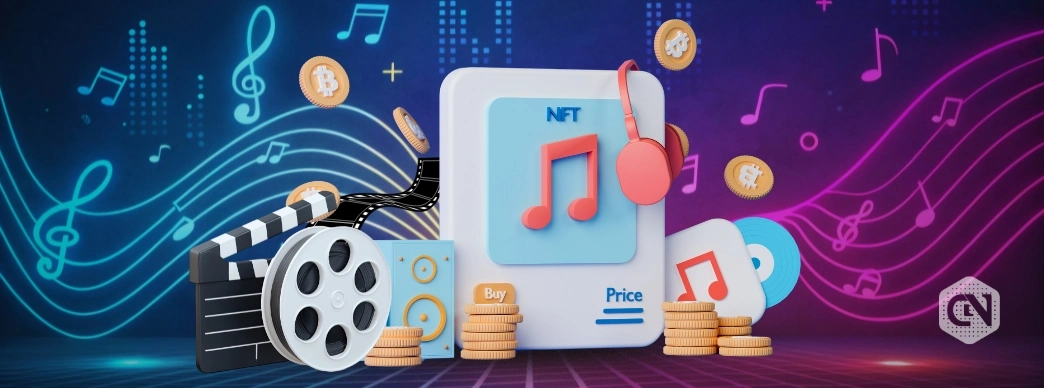
The NFT space exploded back in 2021, as these NFTs moved beyond digital art into music and film as creators looked for ways through which they could monetize their work directly and skip the traditional record labels and movie studios.
This shift was possible because of Ethereum’s ERC-721 standard as it helped create unique, non-interchangeable tokens and embed automatic royalty payments into them.
With every resale, creators would receive a 5-10% of royalty. This feature made sure that the income did not just halt after the initial sale, which usually happens within the traditional creative industries.
In music, artists started tokenizing their albums, singles, stems and unreleased tracks. This offered fans exclusive ownership and access rather than just streams. It is a known fact that these NFTs usually come with perks such as early listening rights, private communities, concert tickets, or revenue participation.
This also provided upfront funding and creative freedom to independent musicians, and the fans gained a deeper sense of involvement and scarcity in a digital landscape.
Filmmakers also adopted the same approach and used NFTs to sell exclusive clips, behind-the-scenes footage, posters, scripts, and even access passes to private screenings.
Then there also were NFT projects that allowed holders to vote on creative decisions or receive special credits, turning fans into active participants rather than passive audiences. This was special as it changed how music and movies are funded and shared, showing that NFTs were capable of empowering creators and fans, not just serving as speculative assets.
From Albums to Movies: NFTs that Turned Fans into Buyers
In 2021, King of Leon was the first band that released an album ‘When You See Yourself’ as NFTs, and it generated more than $2 million through limited artwork and special access perks. Eminem’s Shady Con drop on Nifty Gateway was iconic because it was sold out in 15 minutes and it raised about $2 million, with the “Stan’s Revenge” audio NFT selling for $100,000.
Grimes sold music and digital art NFTs which were worth $6 million, while electronic artists 3LAU auctioned an NFT album for $11.6 million.
In film, Zero Contact was the first Hollywood movie that was released as an NFT and Beeple’s Everydays sale at Christie’s reached $69 million and this was the start of a breakthrough.
Warner Bros. expanded NFTs by launching Dune digital artifacts, which included limited-edition 3D character sculptures that were tied to the movie’s universe. These collectibles have fans’ official, studio-backed digital memorabilia that were way more than just traditional posters or merchandise.
Celebrities and Their NFT Involvement
As the NFT space boomed back in 2021, celebrities across music, film and sports played an important role in pushing digital collectibles into the mainstream.
Some of the well-known names include Snoop Dogg (has a separate NFT-focused X identity called Cozomo de’ Medici), Eminem, Justin Bieber, Chris Brown, Paris Hilton, Gwyneth Paltrow, Reese Witherspoon, Shaquille O’Neal, Eva Longoria, Ozzy Osbourne, Travis Barker, Meek Mill and Ashton Kutcher. All of them got into the space as collectors, creators, or investors.
Many of them purchased blue-chip NFTs such as Bored Ape Yacht Club, and used them as their profile picture on X (Twitter back then) or integrated them into public appearances.
Others backed NFT platforms, launched branded collections, or promoted Web3 projects, helping blend pop culture with blockchain technology. This sped public awareness of NFTs way beyond crypto-native communities.
How Artists Use NFTs Today
In today’s time, these NFTs are being used to get rid of labels and studios as artists are using NFTS to sell directly to the fans. Many of them offer NFTs that provide fans with some kind of utility for example, perks like VIP concert access, exclusive behind-the-scenes content, or phygitals, which is a blend of physical and digital world (King of Leon NFT album came with holographic tickets, Dune Digital character NFTs included physical collectible figurines).
Artists still drop exclusive NFT merch and music snippets, tokenized albums that pay fans fractional royalties. Filmmakers like Wong Kar-wai and studios like Warner Bros. issue NFTs for clips, posters, collectibles and turn fans into active participants and help build a stronger ecosystem.
These days NFTs are not just collectibles, they are also used as tools for creator empowerment and community building. Artists like Snoop Dogg use NFTs to sell music, digital art and exclusive experience, while also making sure that he advocates for quality and fairness in the marketplace.
He has always stood up against spam, low-quality drops and he talks about how NFTs can help artists and the music industry. This shows that NFT can enforce creator rights, fan trust and community standards, reflecting the evolving role of NFTs beyond speculation.
Future for Creators
In 2026, there is a scope where these NFTs could grow by providing real-world use and more fan benefits. Brands like Nike and Adidas use NFTs for loyalty rewards and integration with the metaverse is something that expands the user experience.
AI-generated art is also making an entry into this NFT space. By combining utility, creativity and community, NFTs are evolving into functional tokens that give music royalties, film access, event perks, and more, helping creators stay independent and fans stay connected.
Also Read: CLARITY ACT Could Change U.S. Crypto Forever, Here’s How
See less