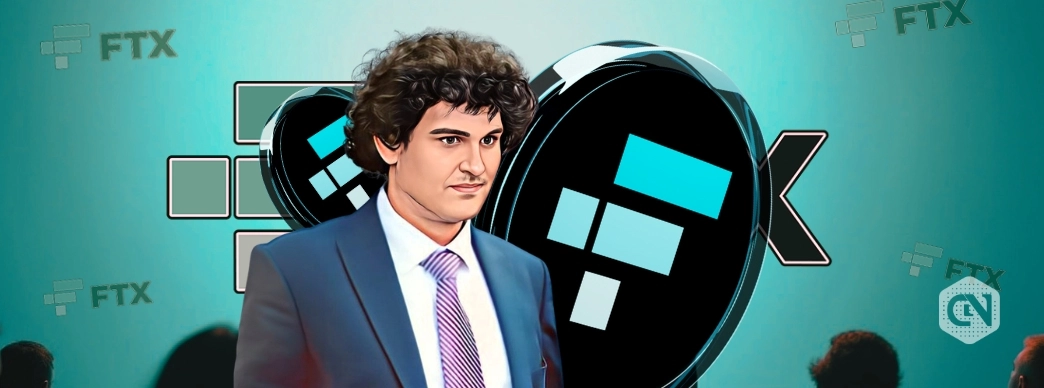
Key Highlights:
- Sam Bankman-Fried built FTX into a $32 billion crypto giant before it collapsed in 2022.
- The fallout shook the entire crypto industry.
- SBF was convicted in 2023, sentenced to 25 years, and is still trying to appeal while serving time.
Sam Bankman-Fried (SBF)went from being the face of crypto success to one of its biggest cautionary tales. He built FTX into a billion-dollar empire almost overnight, gaining trust from investors, celebrities, and everyday users. But behind the scenes, things were not as solid as they looked. When the truth came out, it collapsed everything and it was all within a blink of an eye. The person who seemed to be a genius turned into one of crypto’s biggest frauds.
Rise of SBF
Sam Bankman-Fried or SBF, started out trading at Jane Street before he launched Alameda Research in 2017 to cash in on crypto price gaps. In 2019, he built FTX, a sleek platform that had various trading tools and its own token, FTT. This platform and the token attracted more than a million users.
By 2021, during the crypto boom, his net worth crossed $26 billion, earning him a spot on Forbes billionaire list at the age of 29, which many considered to be huge. He leaned into a “do good while getting rich” image through Effective Altruism, donated millions, poured over $100 million into politics, and pushed FTX into the spotlight with big ads and backing from celebrities like Tom Brady, taking the company’s valuation to $32 billion.
The Crash
The entire crash started to make its appearance when CoinDesk published a report on November 2, 2022, and showed that Alameda Research’s balance sheet was heavily dependent on FTT, the token that was created by FTX itself. This raised a simple and very terrifying question and that was: if FTT’s price dropped, would the entire empire fall with it?
Things turned worse when when Changpeng Zhao, CEO of Binance at that time, announced that he would sell off Binance’s massive FTT holdings. The market reacted instantly, the price of the FTT tokens crashed by 80% and it wiped out billions in paper value and all of this shook user confidence overnight.
What followed was a classic bank run, but at crypto speed. Customers rushed to pull out funds and with more than $6 billion withdrawal requests hit FTX within days. The problem here was that FTX did not have the money. Funds have reportedly been funneled to Alameda for high-risk trading and that left a huge gap.
Binance briefly stepped in with non-binding intent to acquire FTX, which could have saved the platform. But after a quick look at the books, Binance quietly walked away and cited that there was severe financial mismanagement and a huge shortfall in assets. That decision effectively sealed FTX’s fate.
On November 11, 2022, FTX and over 100 affiliated entities filed for Chapter 11 bankruptcy, revealing a $9 billion hole in its balance sheet. Sam Bankman-Fried stepped down as the CEO, and restructuring expert John Ray III took over. Having previously handled the aftermath of Enron, Ray described FTX as one of the worst corporate failures he had ever seen, marked by a complete absence of basic controls, reliable records and governance.
As more details came to light, the scale of chaos became clearer, missing customer funds, internal loans to executives, hacked wallets draining hundreds of millions post-bankruptcy, and a company run more like a loosely managed startup than a financial institution holding billions in user assets.
What looked like a tech-driven financial revolution turned out to be a fragile system that was built on trust, and that very trust evaporated almost overnight.
Repercussions
The collapse of FTX did not just affect one company, it shook the entire crypto world. Billions of dollars in customer funds were suddenly gone, and trust in crypto platforms took a major hit. Prices dropped across the market, pushing crypto deeper into a bear phase as people rushed to pull money out of exchanges.
The damage spread quickly. Companies that were financially tied to FTX, like BlockFi and Genesis Global Capital, couldn’t survive the shock and eventually collapsed. This shows how connected and fragile, the system really was.
Regulators also stepped in hard. The US Securities and Exchange Commission began tightening its grip on the industry, even filing lawsuits against major exchanges like Binance and Coinbase. The message was clear, crypto would no longer operate in a grey area without oversight.
On the recovery side, there was at least some relief. The FTX bankruptcy team managed to recover around $16 billion in assets, aiming to repay about 98% of creditors by 2026, something few expected in the early days of the collapse.
Meanwhile, Sam Bankman-Fried’s carefully built image as a “do-good billionaire” fell apart. His connection to Effective Altruism lost credibility, and key insiders like Caroline Ellison cooperated with authorities, giving crucial testimony about what really happened behind the scenes.
In simple terms, the FTX scandal became a turning point. It exposed how risky and loosely regulated crypto was, and pushed governments worldwide to demand stricter rules to prevent something like this from happening again.
Legal Battle
After FTX collapsed, Sam Bankman-Fried was arrested in the Bahamas and brought to the US. He initially pleaded not guilty and was released on a huge $250 million bail, staying under house arrest.
But things changed during the 2023 trial. His close associate, Caroline Ellison, admitted that customer money was misused and said SBF was the one directing it. This became a key turning point.
In November 2023, he was found guilty on all charges. By March 2024, he was sentenced to 25 years in prison and ordered to give up around $11 billion. He is now serving his sentence in a low-security prison and could be released around 2044 if reductions apply.
Even now, he is trying to fight the case. He has appealed the decision and even asked for a new trial, claiming new evidence and unfair treatment. There’s also been talk of a possible presidential pardon, but nothing concrete has happened. For now, he remains in prison while his legal battle continues.
Also Read: FTX Set for $5 Billion Stablecoin Creditor Payment
See less