

Key Highlights
- The FDIC will propose its first rules for implementing the GENIUS Act before the end of December.
- The GENIUS Act establishes the first federal oversight for stablecoins, which restricts issuance to regulated entities like bank subsidiaries
- Apart from this, FDIC Chairman Travis Hill also revealed the plan to share the regulatory status of tokenized deposits.
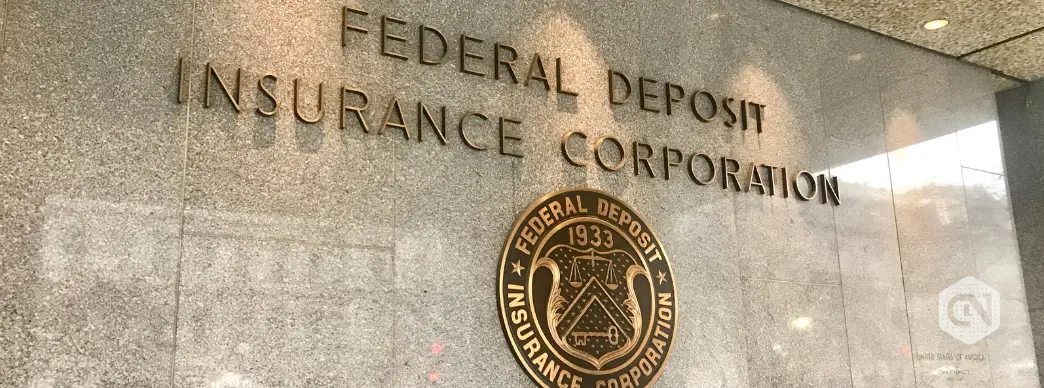
Acting FDIC Chairman Travis Hill stated that the agency will propose its regulations under the new GENIUS Act before December ends.
U.S. FDIC chief says first GENIUS Act regulations heading for proposal this month
— unfolded. (@cryptounfolded) December 1, 2025
This is another big moment when the leading U.S. bank deposit insurance official revealed the new development for stablecoins.
Hill made this statement in his remarks for a hearing with the House Financial Services Committee. This statement comes after the GENIUS Act became law in July of this year, after receiving support from both political parties in Congress.
What is the GENIUS Act
The GENIUS Act is the US’s first comprehensive regulatory framework for USD-pegged stablecoins. Stablecoins are generally backed by safe assets like cash and government bonds.
The law says that only certain approved companies can issue these kinds of stablecoins. These include subsidiaries of banks insured by the FDIC, institutions supervised by the Office of the Comptroller of the Currency (OCC), or state-chartered companies under regulatory oversight.
If a company issues more than $10 billion in stablecoins, it must follow federal regulations. On the other hand, smaller companies can follow state rules if those rules are approved as strong enough by a new federal committee.
“The FDIC will be responsible for licensing and supervising subsidiaries of FDIC-supervised IDIs approved to issue payment stablecoins. The Act requires a number of rulemakings, including establishing capital requirements, liquidity standards, and reserve asset diversification standards, among others,” stated in the document.
What is the FDIC’s Immediate Plan
In his statement, Acting Chairman Hill gave a clear timeline. He said that the FDIC has started writing rules to put the GENIUS Act into practice. The first proposed rule is expected to launch this month, which will explain how banks can apply to create subsidiaries for issuing stablecoins.
Hill stated in the official document, “We expect to issue a proposed rule to establish our application framework later this month and a proposed rule to implement the GENIUS Act’s prudential requirements for FDIC-supervised payment stablecoin issuers early next year.”
This statement comes after Hill’s last month’s speech, where he said that the agency is planning to publish initial rules by the end of the year.
Not just the FDIC, other regulatory agencies are also working on this. Federal Vice Chair for Supervision Michelle Bowman also testified today, stating that the Fed is working on its own rules for stablecoin issuer capital and liquidity as required by the law.
The current GENIUS Act includes numerous major protections that resulted from lengthy negotiations in Congress. It includes strict rules to prevent illegal activities like money laundering. Also, advertisements of these stablecoins can not falsely claim they are insured by the FDIC or backed by the U.S. government. If they violate, it can lead to heavy fines.
Plans for GENIUS Act Implementation
Since the law was signed, government agencies have been working to meet its deadlines. The Treasury Department has already asked for public input on how to detect illegal finance and how to certify state-level rules. The law has given 1 year to finalise the rules, which could mean they are in effect by April 2026.
After U.S. President Donald Trump signed the GENIUS Act into law, the stablecoin market has witnessed a boom. At the time of writing this, the cumulative market capitalization of stablecoins is around $316 billion. Major banks like JPMorgan Chase are already preparing to launch their stablecoins.
Apart from the GENIUS Act, Hill also made statements on the regulatory status of tokenized deposits.
“In addition to undertaking our work under the GENIUS Act, we are also considering the recommendations of the President’s Working Group on Digital Asset Markets, which issued its report in July.17 The report recommends clarifying or expanding permissible activities in which banks may engage, including the tokenization of assets and liabilities. We are also currently developing guidance to provide additional clarity with respect to the regulatory status of tokenized deposits,” stated in the document.
